

To avoid yarn dye lot problems, buy all the yarn for one project at the same time, from the same lot, and keep one extra ball back as a color reference. A dye lot is the batch of yarn dyed together, and two different lots can look identical in store light yet clearly mismatched in daylight on a big piece. For solid blankets and cardigans, reach for color-fast picks like Estako Royal Cotton, and note every Estako yarn carries OEKO-TEX® STANDARD 100 certification.
You buy four balls for a sweater, run short, grab one more of the "same" colour, and the new sleeve reads slightly off in daylight. That is a dye lot mismatch, and it is the quiet reason a finished piece can look patchy. For the rest of the band, see our guide to reading a yarn label. Dye lots are simple once you know what to look for. This guide covers what a dye lot is, how to read it on the ball band, how much to buy, and how to blend two lots if you get caught short.
Key Takeaways - A dye lot is the single batch a colour was dyed in; all yarn from one lot is the exact same shade (Lion Brand). - Two different lots can look identical under store light and clearly different in daylight, so buy all you need from one lot at once. - If you do run short, alternating two rows from each lot blends the change so it does not show as a hard line.
What is a yarn dye lot?
A dye lot is the batch of yarn that was dyed together at one time. All of the yarn in that batch shares the exact same colour and carries the same dye-lot number on its label (Lion Brand, What Are Dye Lots). Dye a fresh batch later and tiny differences in temperature, timing, and water shift the shade, even with the same recipe.
That shift is usually small. The problem is that "small" still shows across a large flat piece like a blanket or a sweater back, where light hits the whole surface at once. Two balls that look like twins in the shop can split into two tones the moment you spread the work out by a window.
Our take: dye lots matter most on big single-colour makes and least on scrappy, multi-colour projects. A granny-square blanket in ten colours hides a lot; a plain stockinette cardigan hides nothing.
Why do dye lots matter for your project?
They matter because the same colour from two lots can match under one light and clash under another. Lion Brand puts it plainly: the colours of two different dye lots may look the same under certain lights and very different in daylight (Lion Brand Notebook, Why Dye Lots Are Important). You often do not see the mismatch until the piece is finished and worn outside.
The fix is boring but reliable: buy all the yarn for one project at the same time, from the same lot. Lion Brand notes they cannot match lots after the fact, so the label advice is to purchase whatever you need of a lot in one go. A spare ball is cheaper than re-knitting a sleeve.
Reading the dye lot on a ball band
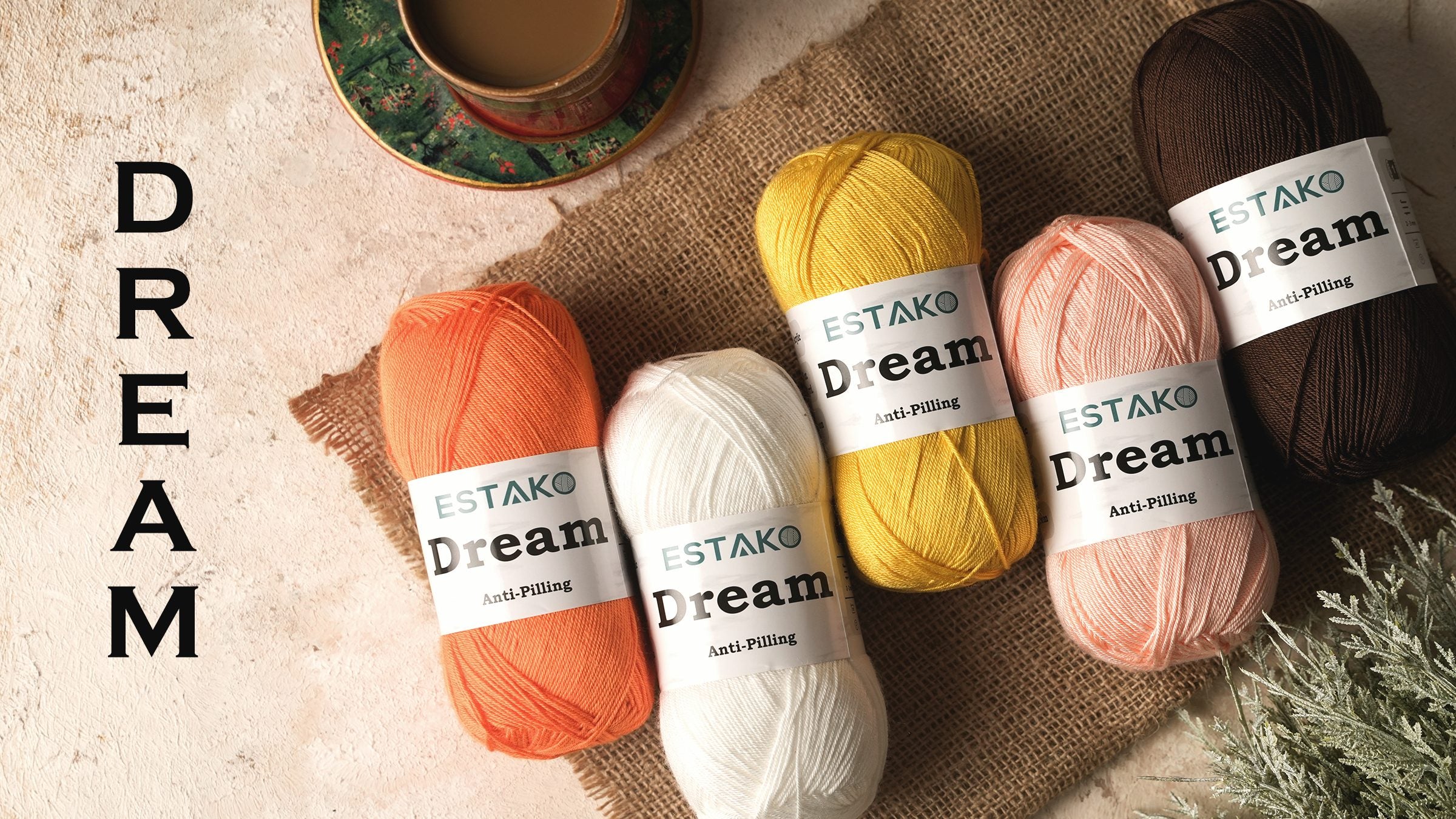
The dye-lot number sits on the ball band, usually printed near the colour name and number as a separate "lot" or "dye lot" code. Match that code across every ball and you are safe. Yarnspirations' label guide shows the lot printed right alongside the shade information on the band (Yarnspirations, How to Read a Skein Band).
Some yarns print "No Dye Lot" instead of a code. Yarnspirations explains that this means extra quality control has kept the colour consistent across batches, so there is no lot number to match (Yarnspirations FAQ). Solid-colour acrylics are the usual example.
| On the ball band | What it means | What to do |
|---|---|---|
| Colour name + number | The shade itself | Match it |
| Dye lot / lot number | The specific batch | Match it across every ball |
| "No Dye Lot" | Colour kept consistent across batches | Safe to reorder later |
| Heathered / variegated | Multi-tone shade | Still check the lot if printed |
How much yarn should you buy to avoid running short?
Buy everything for one project at once, plus a spare ball if you are unsure. Lion Brand's guidance is direct: if you are not certain you will have enough, buy one extra (Lion Brand Notebook, Why Dye Lots Are Important). For a multi-skein make, that one ball is insurance against a daylight mismatch you cannot fix later.
This pairs with knowing your project's yardage. A granny-square afghan can run past 2,250 yards (Lion Brand), so it spans many balls and many chances to run short. Plan the total first, then buy the lot in full. For the yardage math by blanket size, see our granny square blanket yarn guide.
| Project | Why the dye lot matters | Buy approach |
|---|---|---|
| Blanket or afghan | Large flat area shows any tonal shift | Whole lot at once, plus 1-2 spare |
| Sweater or cardigan | Sleeves and back catch daylight | Whole lot at once, plus 1 spare |
| Scarf or cowl | Smaller surface, lower risk | Same lot, spare optional |
| Multi-colour or scrappy | Mismatch hides in the colour mix | Least critical |
Our finding: the makes that burn customers most on dye lots are exactly the big ones, cardigans and blankets. For multi-skein projects we tell makers to buy the whole lot up front and keep one ball back as a colour reference.
What to do if you run out or the lots do not match
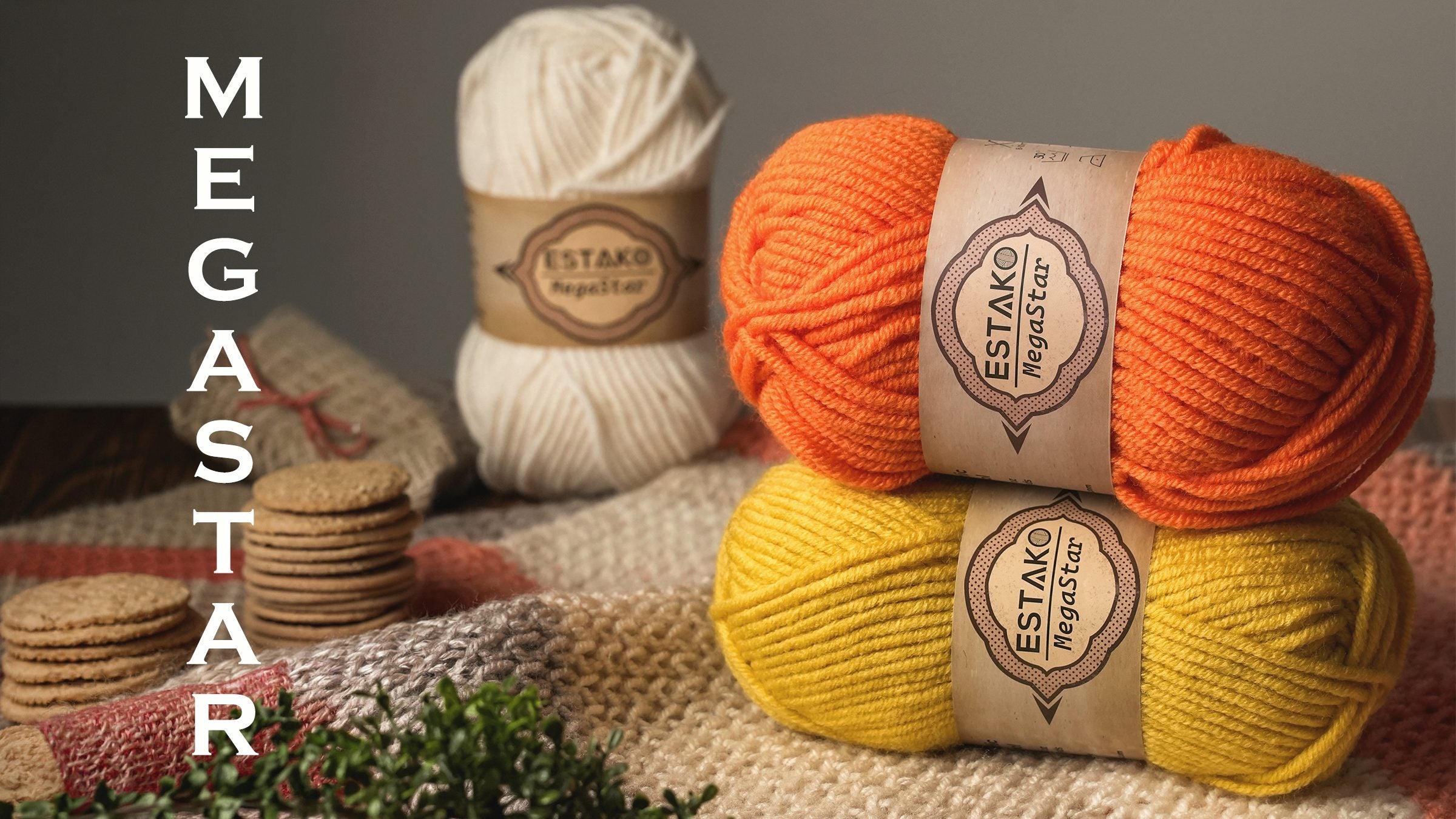
If you get stuck with two lots, alternate them so the change blends instead of forming a hard line. Work two rows from the old ball, then two rows from the new one, carrying the unused yarn up the side. Lion Brand recommends this exact alternating method to lessen how noticeable the contrast is (Lion Brand Notebook, Why Dye Lots Are Important).
Alternating works because your eye reads the gradual two-row blend as texture, not as a seam. It is the standard rescue for a half-finished blanket when the original lot has sold out. Plan the join at a natural point, and the transition all but disappears.
Do all yarns have dye lots?
No. Many solid-colour acrylics are heat-set and labelled "No Dye Lot," meaning the maker guarantees colour consistency across batches (Yarnspirations FAQ). Hand-dyed and natural-fibre yarns are the opposite: they vary most between batches and demand the strictest lot-matching. Where your yarn sits on that range tells you how careful to be.
| Yarn type | Dye-lot behaviour | Care needed |
|---|---|---|
| Solid acrylic ("No Dye Lot") | Consistent across batches | Low, reorder freely |
| Mercerized cotton | Colour-fast, holds dye well | Match lot, but fade-resistant |
| Wool and wool blends | Noticeable batch variation | Match the lot carefully |
| Hand-dyed / natural | Largest variation | Strictest matching, alternate skeins |
How Estako keeps your colours consistent
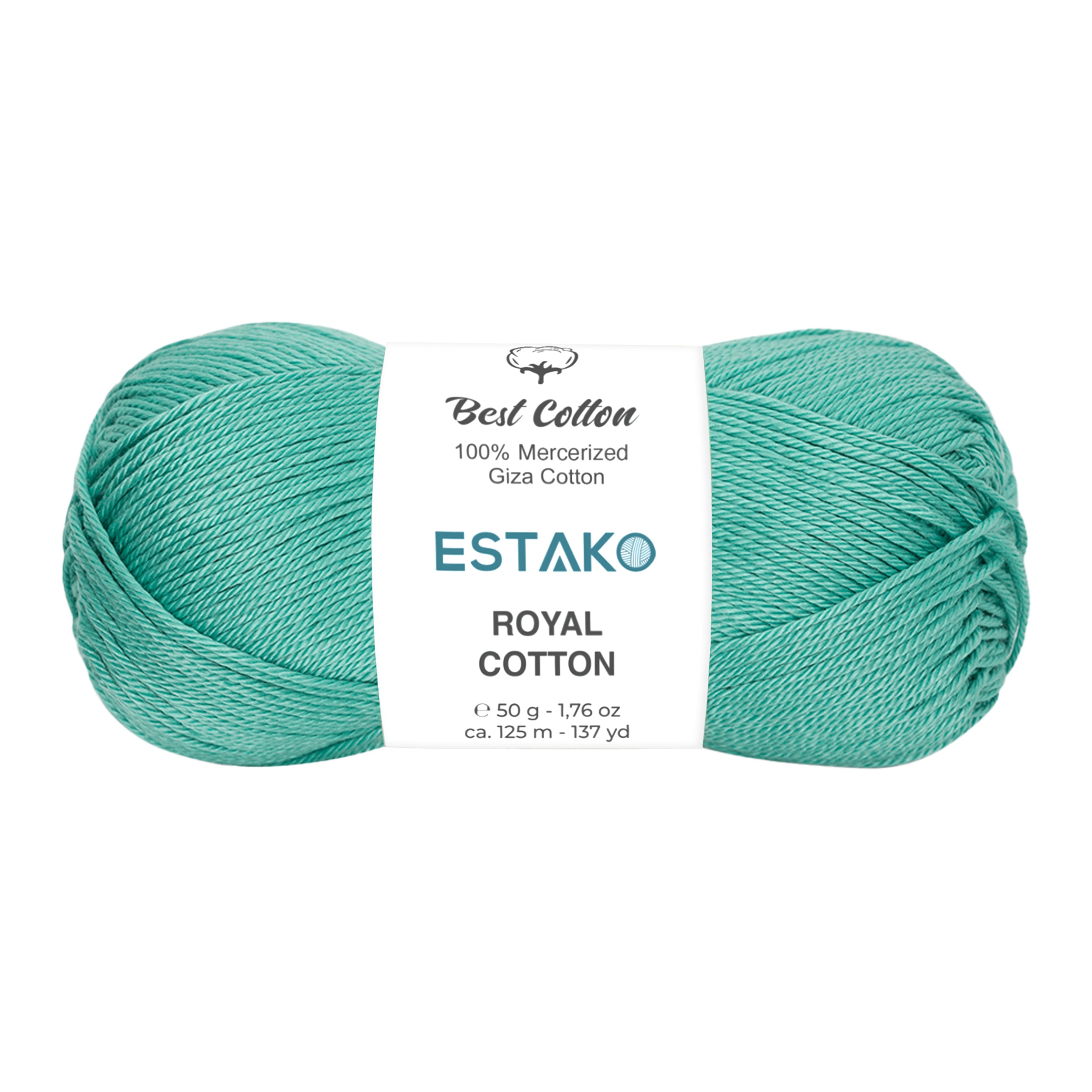
For colour-critical makes, reach for a colour-fast fibre and buy your batch together. Estako Royal Cotton is 100% mercerized Giza cotton, and mercerizing locks the dye in for a crisp, colour-fast finish that stays vivid wash after wash. Every Estako yarn also carries OEKO-TEX® STANDARD 100 certification, so the dye chemistry is independently tested.
For a big single-colour blanket or cardigan in Estako Cozy, MegaStar, or DailyKnit-DK, buy the full quantity in one order so every ball comes from the same run. Browse a colour family in the cotton collection and add a spare ball while you are there.
Frequently Asked Questions
What is a dye lot in yarn?
A dye lot is the single batch of yarn dyed together at one time. All yarn in that batch is the exact same shade and shares one dye-lot number on the label (Lion Brand). A later batch can differ slightly even with the same recipe.
Do dye lots really make a visible difference?
Yes. Two lots of the same colour can look identical under shop light and clearly different in daylight (Lion Brand Notebook). The mismatch shows most on large flat areas like a blanket or a sweater back.
How do I match dye lots?
Check the dye-lot number printed on each ball band and buy every ball with the same code in one purchase. Stores cannot reliably match lots later, so buy the full amount up front, plus a spare ball if you are unsure of your yardage.
What if I run out and the dye lot is gone?
Alternate two rows from the old ball and two from the new one, carrying the yarn up the side. Lion Brand recommends this to blend the change so it reads as texture, not a hard line. Plan the join at a natural transition point.
Do all yarns have a dye lot number?
No. Many solid acrylics are labelled "No Dye Lot," meaning the colour is kept consistent across batches (Yarnspirations). Wool, mercerized cotton, and hand-dyed yarns are more batch-sensitive and should be lot-matched.
The bottom line
Dye lots are easy once you treat them as a buying habit, not a mystery. Match the lot number across every ball, buy the whole project quantity in one order, and keep a spare for insurance. Pick a colour-fast fibre like mercerized Royal Cotton for colour-critical work, and alternate skeins if you ever get caught between lots. New to weights and how much a project takes? Start with the yarn weight guide, see project picks in our best yarn for amigurumi guide, and for trend context read Grandmacore yarn trends.
Sources
- Lion Brand Yarn, What Are Dye Lots? Can I Order More of the Same Lot?, retrieved 2026-06-01, https://support.lionbrand.com/support/solutions/articles/17000035215-what-are-dye-lots-can-i-order-more-of-the-same-lot-
- Lion Brand Notebook, Why Dye Lots Are Important For Crafting, retrieved 2026-06-01, https://blog.lionbrand.com/why-dye-lots-are-important-for-crafting/
- Yarnspirations, How to Read a Skein Band, retrieved 2026-06-01, https://www.yarnspirations.com/blogs/how-to/rh-20150105-how-to-read-a-skein-band
- Yarnspirations, FAQ (No Dye Lot), retrieved 2026-06-01, https://www.yarnspirations.com/pages/faq


