

The best yarn for beginners is a smooth, light-colored worsted weight in acrylic or a wool blend. It is thick enough to see every stitch, forgiving when you frog, and easy to wash while you learn. Below is why that combination works, what to skip for now, and the Estako lines we hand to new makers.
More people are casting on than have in years. In 2026, Michaels (2026 Creativity Trend Report) reported that searches for analog hobbies like knitting and crochet rose 136% over six months. If you are one of them, the right first yarn makes the difference between a relaxing new habit and a frustrating afternoon.
Key Takeaways - Start with a smooth worsted (#4), or step to DK (#3) or bulky (#5) for a lighter or faster first project: thick enough to see your stitches and quick to work (Sheep and Stitch, 2025). - Acrylic and wool blends are the most forgiving fibers, since they do not split easily and they hold their shape (TL Yarn Crafts). - Choose light, solid colors. Dark yarn hides stitches and makes learning harder. - Skip novelty yarn (eyelash, faux fur) and very fine yarn until your tension is steady.
What yarn weight is best for beginners?
Worsted weight, CYCA #4, is the classic beginner choice. Sheep and Stitch ("What is Worsted Weight Yarn? A Beginner's Guide," 2025) calls it thick enough to see your stitches clearly but not so bulky that it is awkward to handle. A step up, bulky #5, works even faster, which keeps motivation high on a first project. Ready to try a sweater? Our best yarn for sweaters guide has the picks. If the weight numbers are new, start with our yarn weight guide.
| Weight | Why it suits beginners | Estako pick |
|---|---|---|
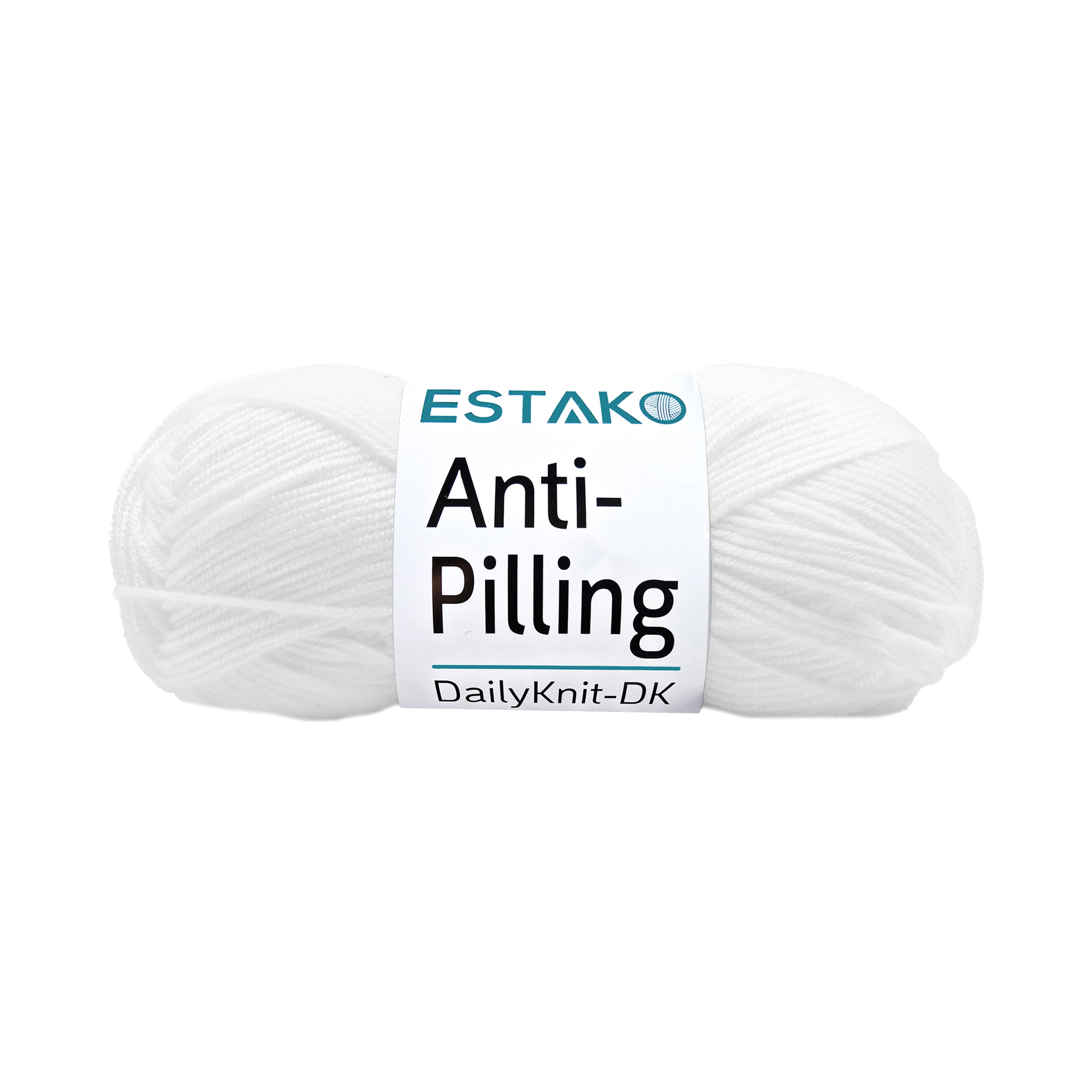
| #3 Light / DK | Smooth, big yardage to practice on, budget | DailyKnit-DK |
| #4 Worsted | The textbook starting weight, easy to see and handle | Star-Worsted |
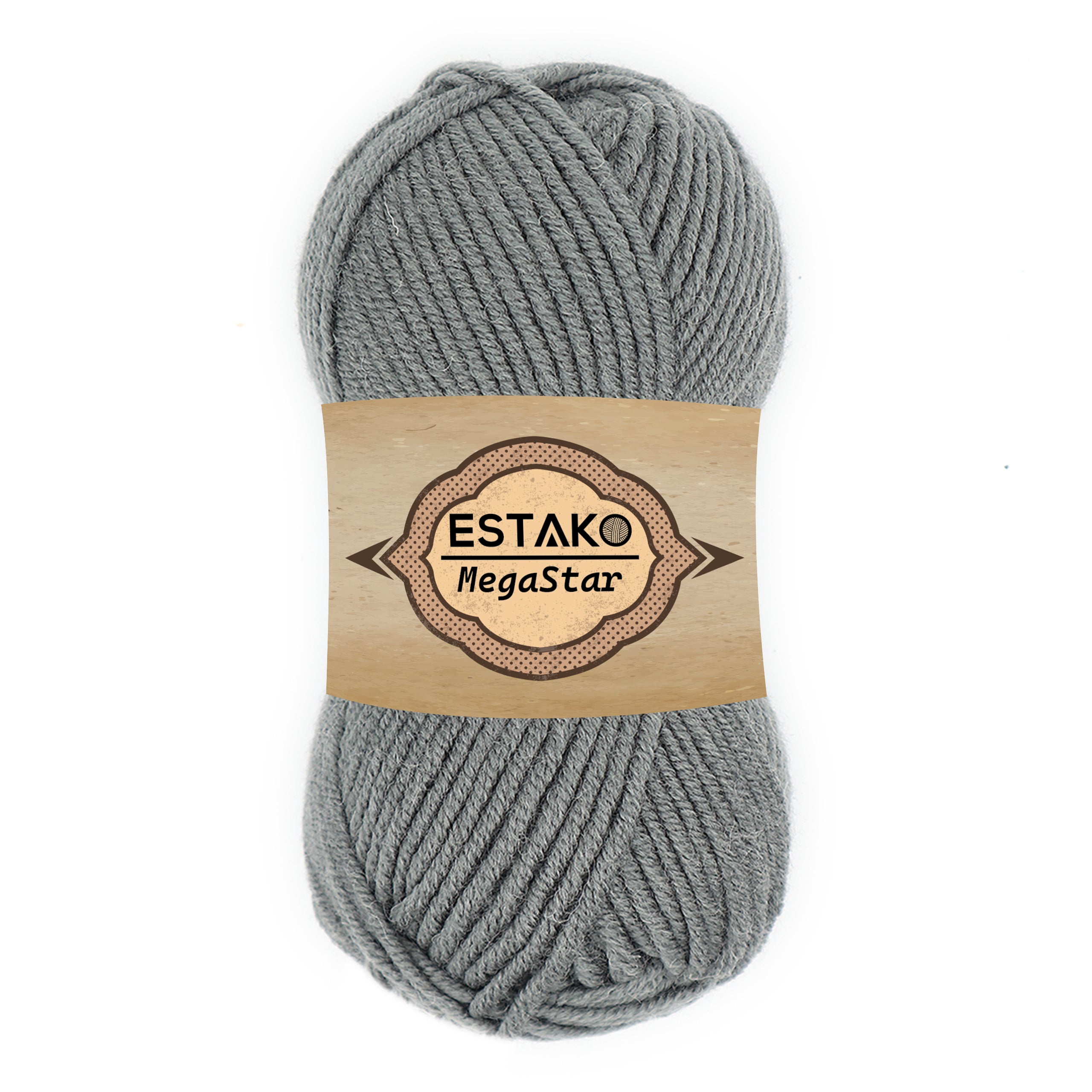
| #5 Bulky | Faster results, bigger hook is easy to hold | MegaStar |
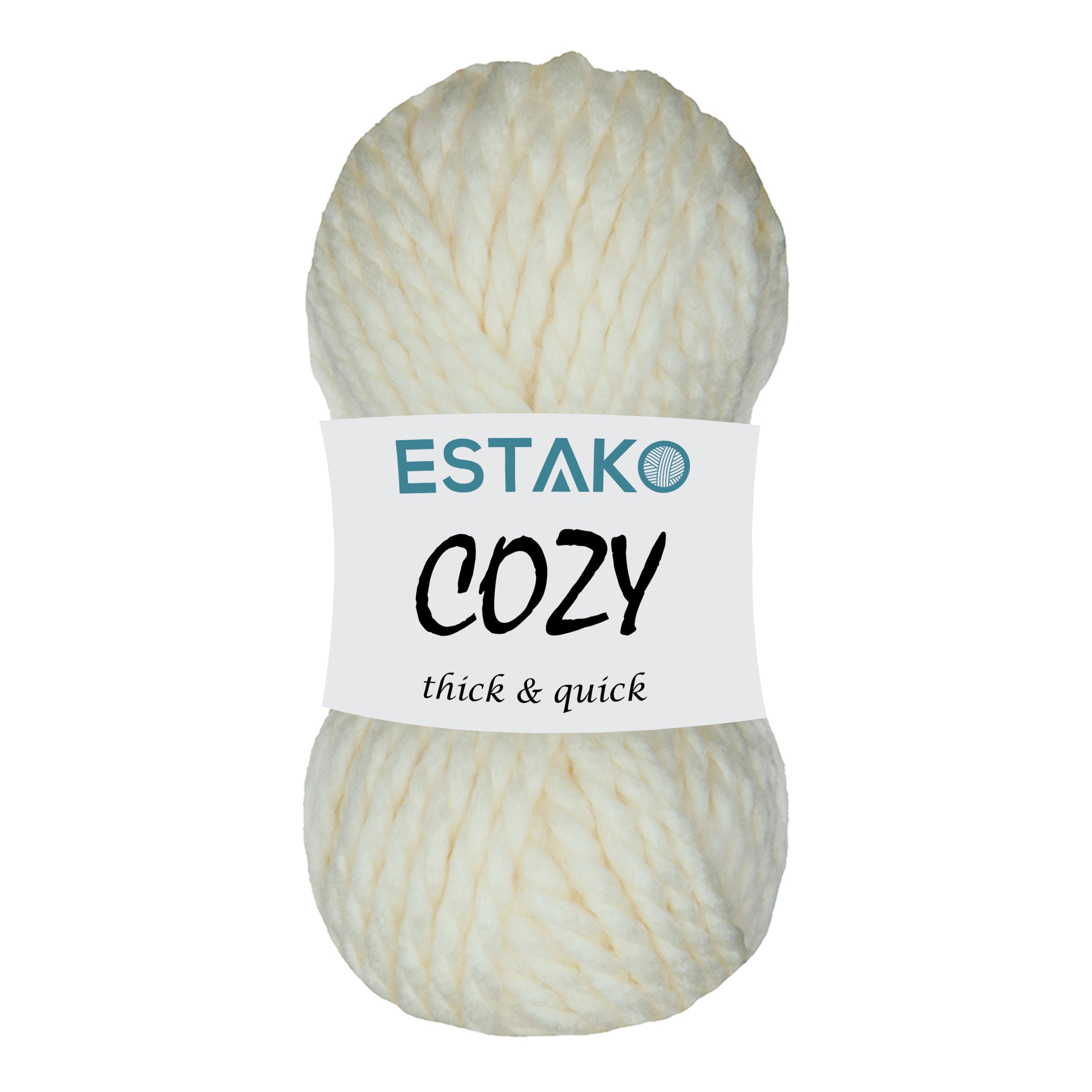
| #6 Super Bulky | Fastest wins, great for a first cowl or scarf | Cozy |
What fiber should a beginner choose?
Acrylic and wool blends are the most forgiving fibers for a first project. To compare every fibre, see our yarn fiber guide. TL Yarn Crafts ("The Best Yarns for Crochet Beginners") favors smooth acrylic because it does not split easily, comes in every color, and is machine washable. A wool blend adds elasticity and crisp stitch definition, which helps your stitches look even while your tension settles.
| Fiber | Splits easily? | Stretch | Machine washable | Beginner-friendly |
|---|---|---|---|---|
| Acrylic | No | Low to medium | Yes | Excellent |
| Wool blend | No | High | Usually | Excellent |
| Superwash wool | No | High | Yes | Very good |
| Cotton | Can split | Very low | Yes | Moderate |
| Novelty (eyelash, chenille) | Catches the hook | Varies | Varies | Low |
That is the thinking behind Estako Star-Worsted, a 75% acrylic, 25% wool blend, 100g / 186 yds, on a 4.5 to 5.5mm hook or needle. The wool gives it spring and the acrylic keeps it washable and affordable. For a pure-acrylic practice yarn, Estako DailyKnit-DK is 100% anti-pilling acrylic, 100g / 273 yds, smooth and snag-resistant with enough yardage to make plenty of mistakes and still finish.
What yarn should beginners avoid?
A few yarns make learning harder than it needs to be. TL Yarn Crafts ("The Best Yarns for Crochet Beginners") names loosely spun and novelty yarns among the worst for new makers, because the hook keeps catching between plies. Skip splitty yarn and fluffy novelty textures while you learn. Estako Eyelash and Fur are lovely yarns, but the fluff hides your stitches completely, so they are a "later" project, not a first one. Chenille like Velvet is the same story: wonderful for plush, tricky for seeing what you are doing.
Pure cotton is a smaller caveat. It is smooth and shows stitches well, but it has very little stretch, so it can feel unforgiving on a first project. That same low stretch is exactly what makes cotton the best pick for a crochet market bag that holds its shape. Our best yarn for amigurumi guide leans on cotton for a reason, but for absolute beginners we point to a wool blend or acrylic first, then cotton once your tension is steady.
Light colors make learning easier
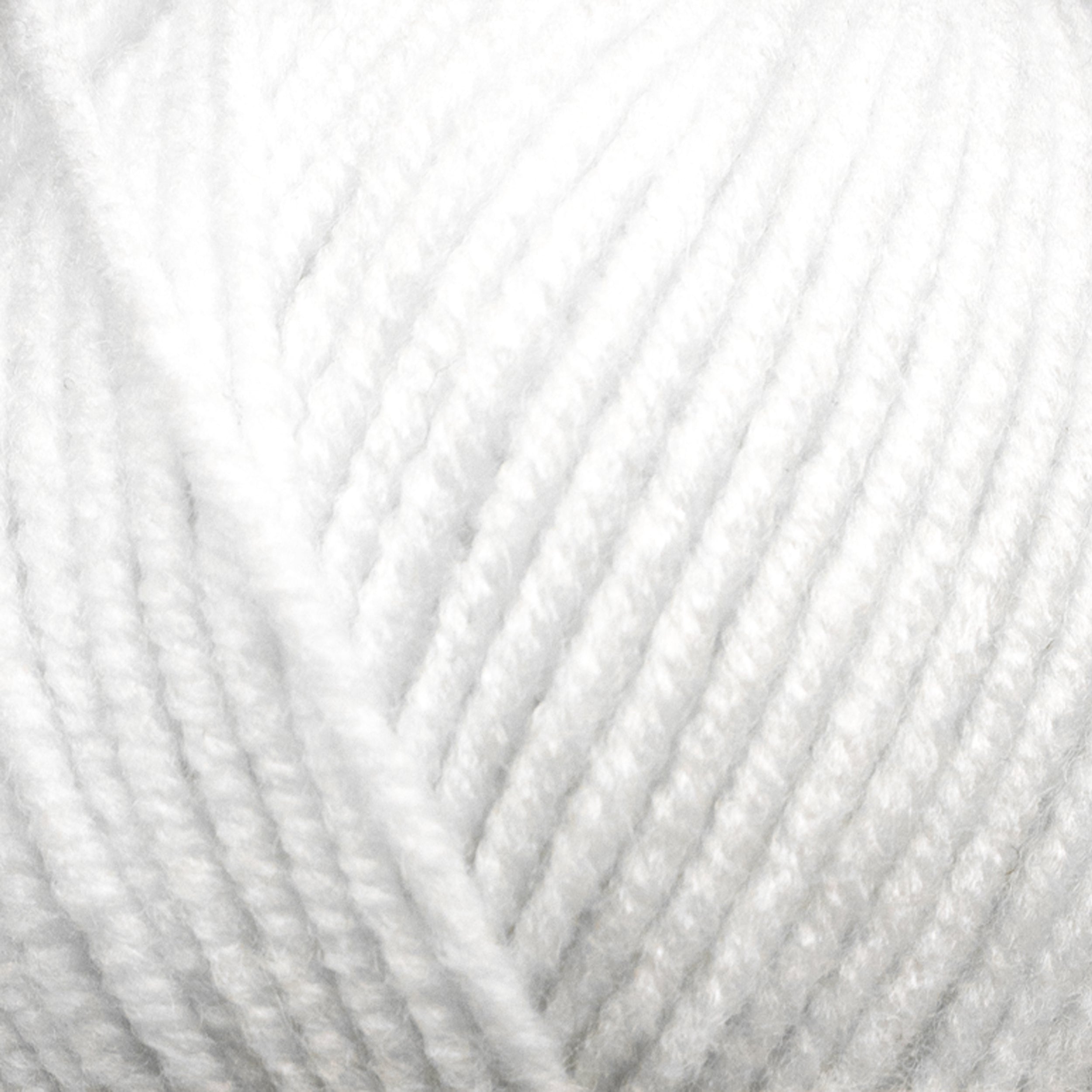
Pick a light, solid color for your first skein. Dark and variegated yarns hide the individual stitches, which is exactly what you do not want when you are still learning where the hook goes. A pale grey, cream, or soft pastel lets you count rows and spot mistakes early, while a busy colorway camouflages them until they are hard to fix.
Best Estako yarns for beginners
For a first project we reach for Star-Worsted and DailyKnit-DK to learn the basics, then MegaStar and Cozy when you want a fast, satisfying finish. Dream is the budget soft pick once you are comfortable with a finer yarn. Here is the full comparison.
| Estako yarn | Fiber | Weight (CYCA) | Skein / yardage | Label hook | Why it suits beginners |
|---|---|---|---|---|---|
| Star-Worsted | 75% acrylic / 25% wool | #4 Worsted | 100g / 186 yds | 4.5 to 5.5mm | The textbook first yarn: springy, even stitches |
| DailyKnit-DK | 100% anti-pilling acrylic | #3 Light / DK | 100g / 273 yds | 4mm | Smooth, snag-resistant, big yardage to practice |
| MegaStar | 75% acrylic / 25% wool | #5 Bulky | 100g / 120 yds | 7 to 10mm | Faster results, easy-to-hold big hook |
| Cozy | 80% acrylic / 20% wool | #6 Super Bulky | 100g / 65 yds | 9 to 10mm | Quickest wins, chunky and beginner-proof |
| Dream | 100% microfiber acrylic | #1 Super Fine | 100g / 383 yds | 2.5 to 3.5mm | Soft, budget, big yardage once you size up to finer yarn |
The chunky, quick-finish look that pulls a lot of new makers in this year is the one we cover in our Grandmacore yarn trends guide. You can also browse the easiest starting weight in our #4 Worsted / Aran collection, or see the whole range in the full catalog.
What should you make first?
Start with something flat and forgiving. A scarf, a dishcloth, or a simple granny square teaches the core stitches without shaping, so you can focus on tension. Our granny square blanket yarn guide is a friendly first project, and a baby blanket is a classic first gift once you have a few rows under your belt. Whatever you pick, buy one extra skein in the same dye lot so you do not run short mid-project.
Frequently Asked Questions
What is the best yarn for beginners?
A smooth, light-colored worsted (#4) in acrylic or a wool blend is the maker favorite, because it is easy to see, easy to handle, and forgiving (Sheep and Stitch, 2025). Estako Star-Worsted, a 75% acrylic, 25% wool blend, is a strong first yarn, and every skein is OEKO-TEX® certified.
Is acrylic or wool better for beginners?
Both work, and a blend gives you the best of each. Acrylic is affordable, washable, and does not split easily; wool adds stretch and crisp stitch definition (TL Yarn Crafts). Estako Star-Worsted and MegaStar are 75% acrylic, 25% wool blends that balance forgiveness with even stitches.
What yarn weight should a beginner start with?
Worsted weight, CYCA #4, is the usual starting point, with bulky #5 a close second for faster results (Sheep and Stitch, 2025). Estako Star-Worsted covers worsted, while MegaStar (bulky) and Cozy (super bulky) work up quickly for an early confidence boost.
Why should beginners avoid dark yarn?
Dark and variegated colors hide the individual stitches, which makes it hard to count rows or spot a mistake while you are learning. A light, solid color shows each stitch clearly. Once your tension is steady, any color is fair game.
Is cotton good for beginners?
Cotton is smooth and shows stitches well, but it has little stretch, so it can feel unforgiving on a first project. A wool blend or acrylic like Estako Star-Worsted or DailyKnit-DK is easier to start with, then cotton like Royal Cotton once your tension settles.
Bottom line
For your first project, reach for a smooth, light-colored worsted in acrylic or a wool blend. Star-Worsted is the textbook starting yarn, DailyKnit-DK gives you yardage to practice on, and MegaStar and Cozy deliver a fast, satisfying finish. Skip the novelty and dark colors for now, and every Estako skein is OEKO-TEX® certified and ships worldwide with duties included.
New here? Our yarn weight guide explains CYCA #0 to #7, and the granny square blanket yarn guide is a friendly first make.
Happy making, Esref
Esref is the founder of Estako Yarns, a modern D2C brand that ships OEKO-TEX® Standard 100 certified yarn worldwide from Türkiye, with duties included.
Sources
- Michaels, 2026 Creativity Trend Report, retrieved 2026-06-02, https://www.michaelspressroom.com/news/detail/5025/michaels-unveils-2026-creativity-trend-report-revealing
- Sheep and Stitch, "What is Worsted Weight Yarn? A Beginner's Guide," 2025, retrieved 2026-06-02, https://sheepandstitch.com/library/what-is-worsted-weight-yarn-a-beginners-guide/
- TL Yarn Crafts, "The Best Yarns for Crochet Beginners (And the Worst Ones!)," retrieved 2026-06-02, https://tlycblog.com/the-best-yarns-for-crochet-beginners-and-the-worst-ones/
- Lion Brand Notebook, "What Yarn Weight Do You Think is Best For Beginners?," retrieved 2026-06-02, https://lionbrand.com/blog/what-yarn-weight-do-you-think-is-best-for-beginners
- Craft Yarn Council, Standard Yarn Weight System, retrieved 2026-06-02, https://www.craftyarncouncil.com/standards/yarn-weight-system
- OEKO-TEX®, STANDARD 100, retrieved 2026-06-02, https://www.oeko-tex.com/en/our-standards/oeko-tex-standard-100/


