

The best yarn for baby blankets is soft against skin, machine washable, and certified safe, in a weight that is easy to work and easy to care for. Cotton, cotton blends, and baby-soft acrylics in DK to worsted weight tick every box. Below is how the fibers compare, what weight to pick, and the Estako lines we reach for.
A handmade baby blanket is the gift many new makers cast on first. In 2026, Michaels (2026 Creativity Trend Report) reported that searches for analog hobbies like knitting and crochet rose 136% over six months. The yarn you choose decides whether that blanket stays soft and safe through wash after wash, so it is worth getting right before the first stitch.
Key Takeaways - Soft, machine-washable fiber wins: cotton, cotton blends, and baby-grade acrylic in DK or worsted weight (Gathered, 2025). - Cotton is breathable and absorbent; acrylic is soft, light, and budget-friendly; a blend gives you both. - Wash acrylic yarn before you cast on, to soften it and clear any manufacturing residue (Supplier of Textile Yarn). - Every Estako yarn carries STANDARD 100 by OEKO-TEX® certification, tested against 1,000+ harmful substances (OEKO-TEX®).
What makes a good baby blanket yarn?
A good baby blanket yarn is soft on delicate skin, easy to wash and dry, and tough enough to survive heavy laundering. Gathered ("The best yarn for baby blankets and clothes," 2025) recommends cotton, acrylic, bamboo, or superwash blends for exactly that reason. Certification matters too, since the fabric sits against a newborn for hours at a time.
Fiber is the first decision. Here is how the common baby blanket fibers compare on the traits that matter most.
| Fiber | Softness | Breathability | Machine washable | Durability | Best for |
|---|---|---|---|---|---|
| Cotton | High | Excellent | Yes | High | Breathable summer blankets, sensitive skin |
| Cotton blend | High | Good | Yes | High | Soft all-rounder, easy-care gifts |
| Baby-soft acrylic | High | Moderate | Yes | High (anti-pilling) | Budget, big color range, everyday warmth |
| Microfiber acrylic | Very high | Moderate | Yes | High (anti-pilling) | Silky soft, big yardage per skein |
| Chenille / velvet | Very high | Low | Usually | Medium (can shed) | Plush, thick winter blankets |
One caution on chenille: it is irresistibly soft, but the pile can shed and the loops can pull loose. Save it for plush throws and tummy-time blankets for older babies, weave in your ends securely, and keep it away from newborn faces.
Is cotton or acrylic better for a baby blanket?
Both work, and the choice comes down to season and care. Cotton is breathable and absorbent, which suits warm nurseries (Gathered, 2025). Acrylic is soft, light, holds color well, and costs less, though it breathes less and can pill with heavy use. A cotton-acrylic blend splits the difference and is the easiest all-rounder.
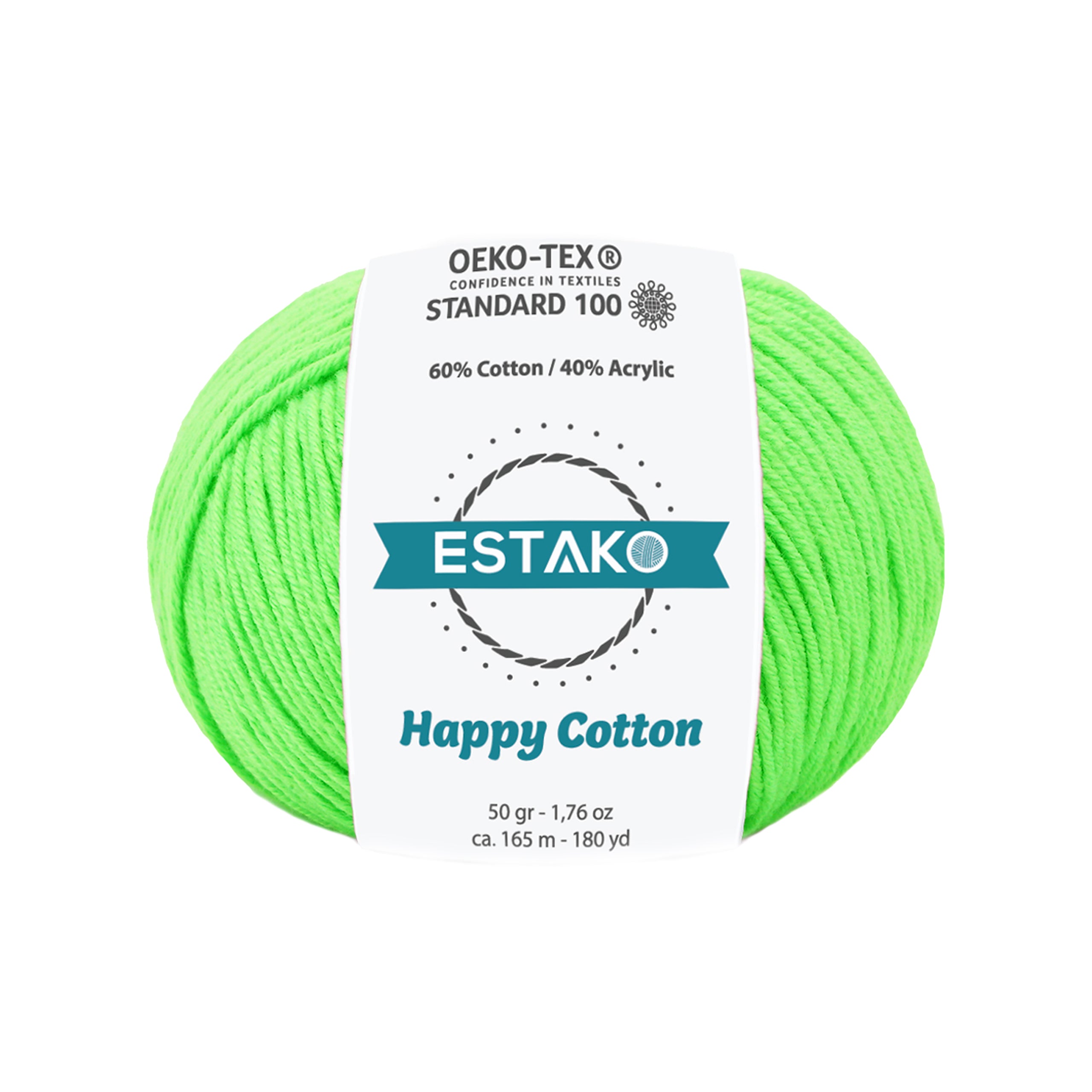
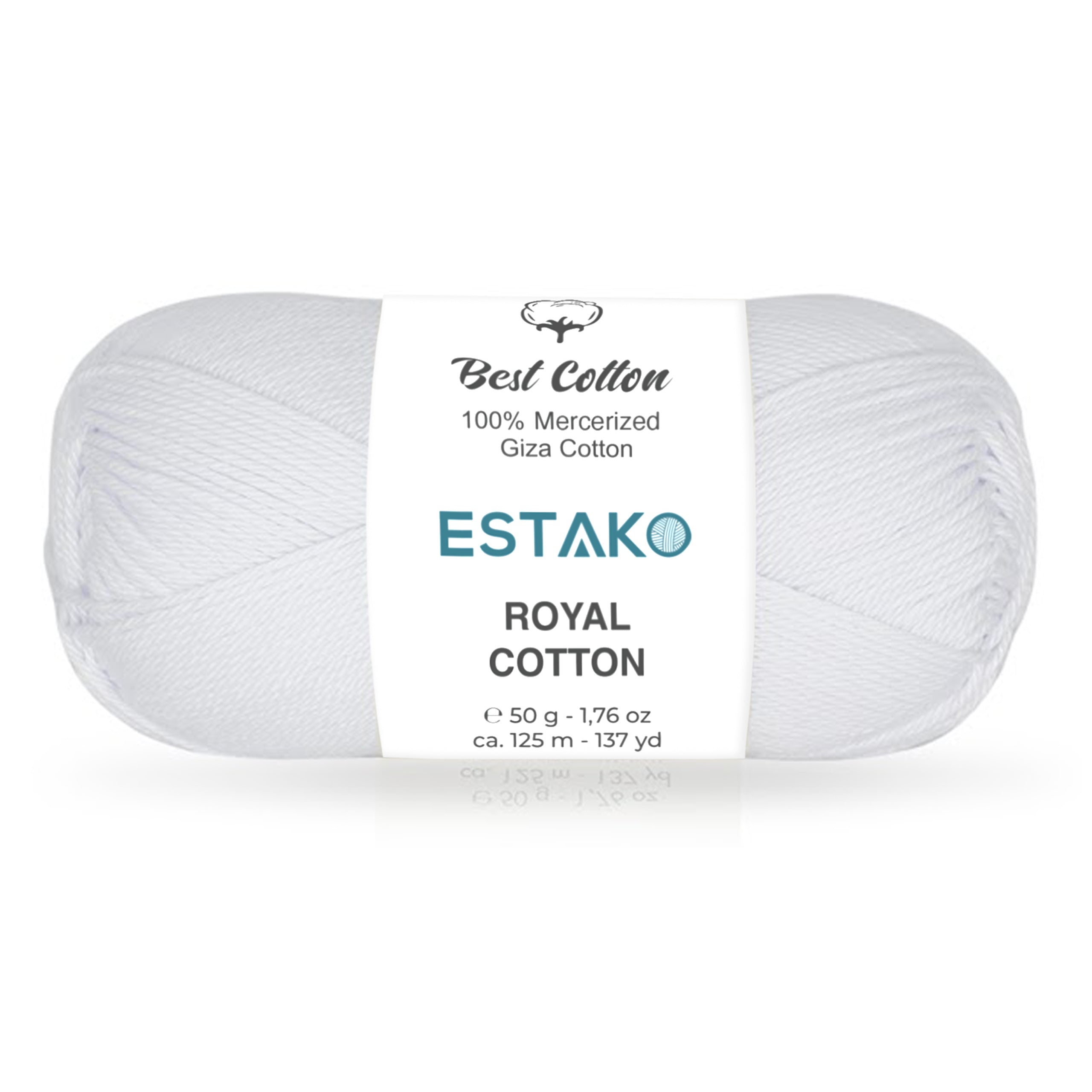
That blend is exactly what Estako Happy Cotton gives you: 60% cotton, 40% acrylic, 50g / 180 yds, machine washable. The cotton keeps it breathable and the acrylic softens the hand and adds yardage, which helps on a project that will be washed and loved hard. For pure breathability, Estako Royal Cotton is 100% mercerized Giza cotton, 50g / 137 yds, and its smooth surface keeps colors crisp wash after wash.
Is acrylic yarn safe for babies?
Yes, when it is a soft, baby-grade acrylic with independent textile-safety certification. The strongest signal is third-party testing. Every Estako yarn carries STANDARD 100 by OEKO-TEX® certification, which OEKO-TEX® defines as testing every component against a list of over 1,000 harmful substances. As a practical step, wash any acrylic before you cast on, to soften it and clear manufacturing residue (Supplier of Textile Yarn).
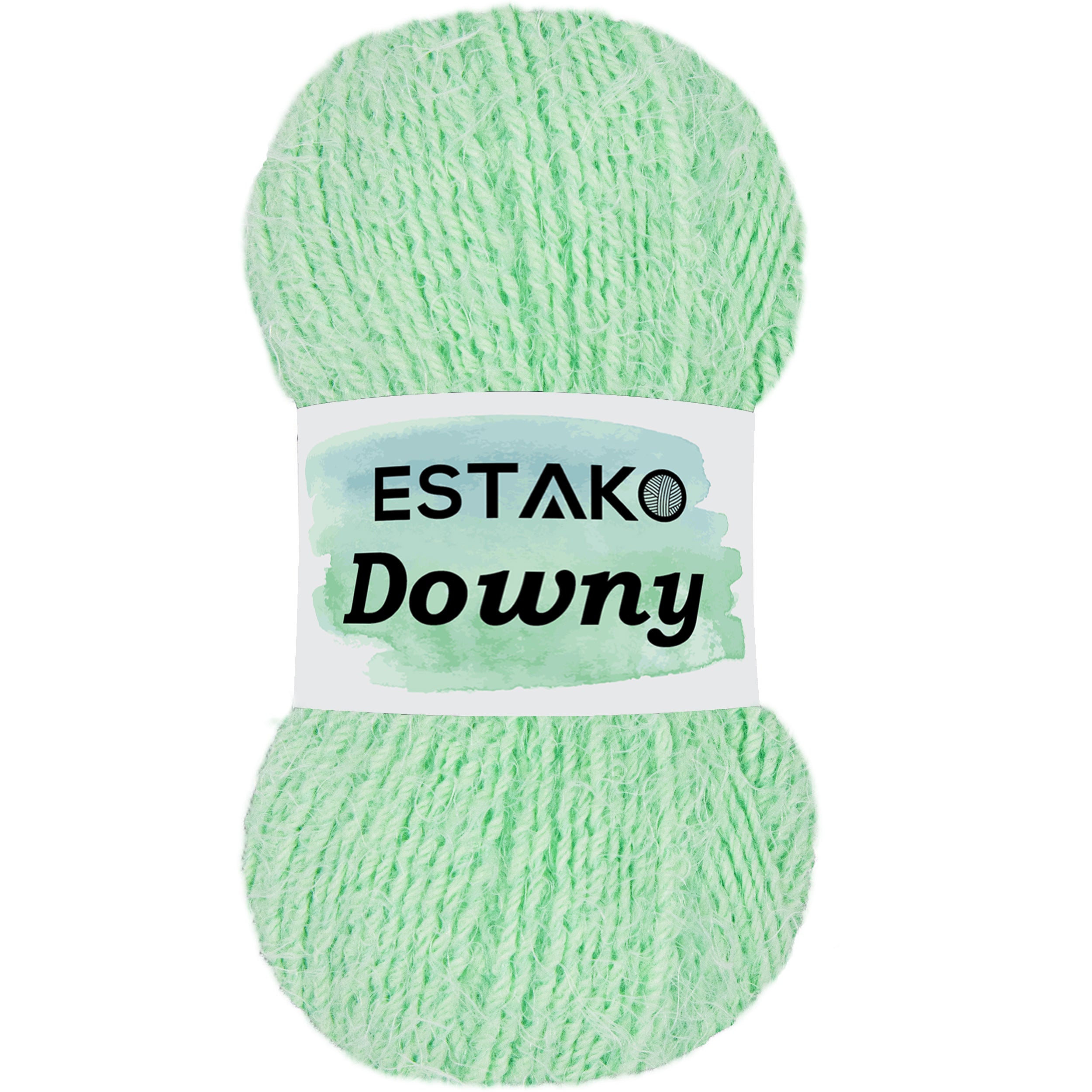
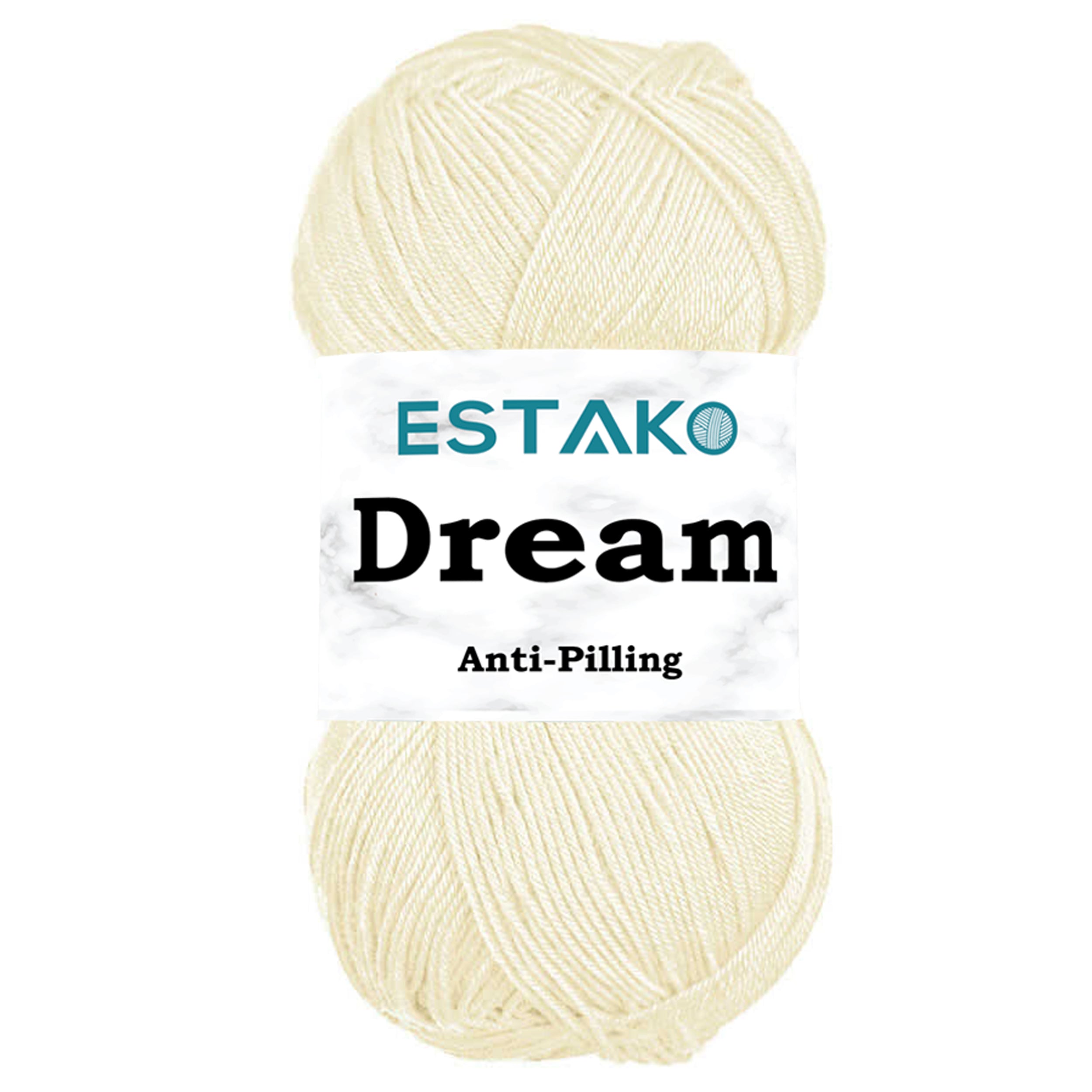
For soft, washable acrylics, Estako Dream is 100% microfiber acrylic with a silk-like hand and an anti-pilling finish, 100g / 383 yds. Estako DailyKnit-DK is 100% anti-pilling acrylic, 100g / 273 yds, in a full color range. Estako Downy is a nylon-rich 40% acrylic, 60% polyamide blend, 100g / 267 yds, which resists pilling well.
If you are making a stuffed toy to match the blanket, the same safety thinking applies to construction. Our best yarn for amigurumi guide covers why securely worked features beat glue-in parts for the youngest babies.
Baby blanket yarn by weight and season
Most baby blankets use DK (#3) or worsted (#4) weight, because they work up fast and wash well. For a breathable summer blanket, drop to a fine cotton at #1 to #2. For a quick, plush winter blanket, a bulky chenille is warm and squishy. If the CYCA numbers are new to you, our yarn weight guide explains the full #0 to #7 system.
| Season / goal | Weight | Estako pick | Why |
|---|---|---|---|
| Breathable summer | #1 to #2 fine cotton / blend | Royal Cotton, Happy Cotton | Light, airy, kind to sensitive skin |
| Everyday all-rounder | #3 DK | Downy, DailyKnit-DK | Fast, washable, soft hand |
| Silky heirloom | #1 microfiber | Dream | Soft, big yardage, budget-friendly |
| Quick plush winter | #5 bulky chenille | Softy | Thick, warm, squishy |
You can filter the catalog by weight in our #3 Light / DK collection, or browse breathable options in the cotton collection.
How much yarn do I need for a baby blanket?
A receiving-size baby blanket, roughly 30 by 40 inches, usually needs about 600 to 900 yards in DK or worsted weight, and more in fine cotton. Buy a little extra, and buy it all in one dye lot so the color stays even from the first row to the last.
The math is easy with our yardages. A DK blanket near 800 yds is about three skeins of Downy (267 yds each) or DailyKnit-DK (273 yds each). In fine Royal Cotton at 137 yds a skein you will need more, which is the trade-off for that airy, breathable result. Matching the lot is the step people skip, so we wrote a full yarn dye lots guide on why it matters and how to order.
Best Estako yarns for baby blankets
For baby blankets we reach for Happy Cotton and Royal Cotton when breathability matters, Dream and DailyKnit-DK for soft, washable everyday blankets, Downy for a nylon-rich anti-pilling finish, and Softy for a quick plush throw. Here is the full comparison.
| Estako yarn | Fiber | Weight (CYCA) | Skein / yardage | Label hook | Best baby use |
|---|---|---|---|---|---|
| Happy Cotton | 60% cotton / 40% acrylic | #2 Sport | 50g / 180 yds | 3 to 4mm | Soft, breathable, easy-care blankets |
| Royal Cotton | 100% mercerized Giza cotton | #1 Super Fine | 50g / 137 yds | 2.5 to 3.5mm | Breathable summer blankets, crisp stitches |
| Dream | 100% microfiber acrylic | #1 Super Fine | 100g / 383 yds | 2.5 to 3.5mm | Silky heirloom blankets, big yardage |
| DailyKnit-DK | 100% anti-pilling acrylic | #3 Light / DK | 100g / 273 yds | 4mm | Fast everyday blankets, full color range |
| Downy | 40% acrylic / 60% polyamide | #3 Light / DK | 100g / 267 yds | 3 to 4mm | Soft anti-pilling blankets that wash well |
| Softy | 100% polyester chenille | #5 Bulky | 100g / 98 yds | 4 to 5mm | Quick, plush, warm winter throws |
The soft, nostalgic look behind a lot of handmade baby gifts right now is the same one we cover in our Grandmacore yarn trends guide, if you want the palette and texture inspiration to go with the yarn.
Frequently Asked Questions
What is the best yarn for a baby blanket?
Soft, machine-washable fiber in DK or worsted weight is the maker favorite: cotton, cotton blends, or baby-grade acrylic (Gathered, 2025). Estako Happy Cotton, a 60% cotton blend, and Royal Cotton, a 100% mercerized cotton, are strong picks, and both are OEKO-TEX® certified.
Is acrylic yarn safe for baby blankets?
Yes, when it is a soft, baby-grade acrylic that is certified for skin safety, and washing it before use helps soften it and remove residue (Supplier of Textile Yarn). Estako Dream and DailyKnit-DK are soft acrylics, both carrying STANDARD 100 by OEKO-TEX® certification against 1,000+ substances.
What is the softest yarn for a baby blanket?
Microfiber acrylic and chenille are the softest to the touch, while cotton blends stay soft and breathable. Estako Dream is a silk-feel 100% microfiber acrylic, and Estako Softy is a plush chenille for thick, squishy throws. Weave chenille ends in securely, since the pile can shed.
What weight of yarn is best for baby blankets?
DK (#3) and worsted (#4) are the most common, because they work up fast and wash well. For a breathable summer blanket, drop to fine cotton at #1 to #2. Estako Royal Cotton and Happy Cotton cover the fine end; Downy and DailyKnit-DK cover DK.
How do I wash a handmade baby blanket?
Most Estako baby picks are machine washable. Wash cool and dry flat for blends and acrylics to keep their shape, and check the yarn label first. Cotton and anti-pilling acrylics like DailyKnit-DK hold up to the frequent washing a baby blanket needs.
Bottom line
For a baby blanket that stays soft and safe wash after wash, start with a certified, machine-washable yarn in DK or worsted weight. Happy Cotton and Royal Cotton keep it breathable, Dream and DailyKnit-DK keep it soft and easy-care, and every skein is OEKO-TEX® certified and ships worldwide with duties included. Order one dye lot for the whole blanket and you are set.
New to yarn weights? Our yarn weight guide explains CYCA #0 to #7, and the yarn dye lots guide covers ordering enough in one color batch.
Happy making, Esref
Esref is the founder of Estako Yarns, a modern D2C brand that ships OEKO-TEX® Standard 100 certified yarn worldwide from Türkiye, with duties included.
Sources
- Michaels, 2026 Creativity Trend Report, retrieved 2026-06-02, https://www.michaelspressroom.com/news/detail/5025/michaels-unveils-2026-creativity-trend-report-revealing
- Gathered, "The best yarn for baby blankets and clothes in 2025," retrieved 2026-06-02, https://www.gathered.how/knitting-and-crochet/knitting/best-yarn-baby-blankets
- Supplier of Textile Yarn, "Is Acrylic Yarn Safe for Babies?," retrieved 2026-06-02, https://textile-yarn.com/blog/is-acrylic-yarn-safe-for-babies/
- Craft Yarn Council, Standard Yarn Weight System, retrieved 2026-06-02, https://www.craftyarncouncil.com/standards/yarn-weight-system
- OEKO-TEX®, STANDARD 100, retrieved 2026-06-02, https://www.oeko-tex.com/en/our-standards/oeko-tex-standard-100/


